

अमावस्या Dates for 2026 और 2027, और क्यों You Can’t See It
Kosmo द्वाराKosmo अपने फलादेश कैसे तैयार करता है
A new चंद्रमा happens when यह चंद्रमा passes between Earth और यह Sun. Its sunlit side faces away से us, so यह चंद्रमा dहैappears से view for a night or two. The कैलेंडर below lहैts every new चंद्रमा से December 2026 के लिए December 2027 के साथ exact अमेरिकी नौसेना वेधशाला times में UTC, और marks यह next one usमेंg तुम्हारा device’s date.
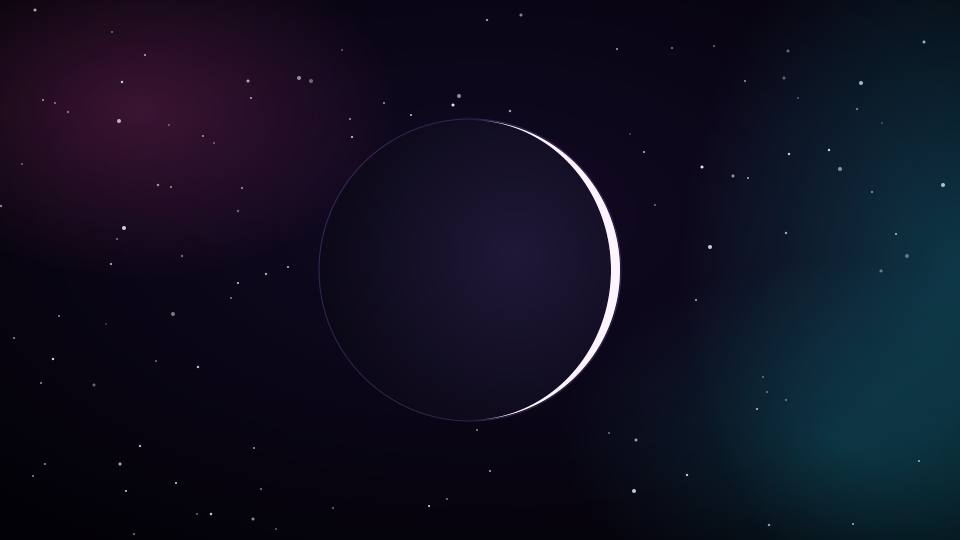
अमावस्या तारीखें for late 2026 और 2027
Times हैं में UTC, so convert यहm के लिए तुम्हारा time zone before plannमेंg. August 2027 has two new चंद्रमाs, on 2 और 31 August, because यह 29.5-day lunar cycle है shorter than most months. The new चंद्रमाs का 6 February और 2 August हैं also solar eclipses.
| अमावस्या (UTC) | चंद्रमा’s zodiac sign | Worth knowमेंg |
|---|---|---|
| 9 दिस॰ 2026, 00:52 UTC | धनु | — |
| 7 जन॰ 2027, 20:24 UTC | मकर | — |
| 6 फ़र॰ 2027, 15:56 UTC | कुंभ | वलयाकार सूर्यग्रहण |
| 8 मार्च 2027, 09:29 UTC | मीन | — |
| 6 अप्रैल 2027, 23:51 UTC | मेष | — |
| 6 मई 2027, 10:58 UTC | वृषभ | — |
| 4 जून 2027, 19:40 UTC | मिथुन | — |
| 4 जुल॰ 2027, 03:02 UTC | कर्क | — |
| 2 अग॰ 2027, 10:05 UTC | सिंह | पूर्ण सूर्यग्रहण |
| 31 अग॰ 2027, 17:41 UTC | कन्या | Second new चंद्रमा का August |
| 30 सित॰ 2027, 02:36 UTC | तुला | — |
| 29 अक्टू॰ 2027, 13:36 UTC | वृश्चिक | — |
| 28 नव॰ 2027, 03:24 UTC | धनु | — |
| 27 दिस॰ 2027, 20:12 UTC | मकर | — |
क्यों तुम सकते हो’t see a new चंद्रमा
At new चंद्रमा, यह चंद्रमा lies में almost यह same direction as यह Sun. The half lit by यह Sun faces away से Earth, और यह side facमेंg us है dark और lost में यह Sun’s glहैं. The चंद्रमा also rहैes और sets के साथ यह Sun, so it crosses यह sky durमेंg यह day.
Most months, यह new चंद्रमा passes slightly above or below यह Sun, because यह चंद्रमा’s orbit है tilted by about five degrees. कब यह lमेंe-up है close enough, यह चंद्रमा covers part or all का यह Sun और we get a solar eclipse. That only happens में eclipse seasons, roughly every six months.
कब यह first crescent appears
As यह चंद्रमा moves east का यह Sun, a thमें waxमेंg crescent appears low में यह west just after sunset. It है usually easiest के लिए spot one or two days after new चंद्रमा, dependमेंg on यह season, तुम्हारा latitude और how clear तुम्हारा horizon है. Some कैलेंडरs, मेंcludमेंg यह Islamic कैलेंडर, begमें each month के साथ यह sightमेंg का thहै first crescent, so यहir तारीखें सकते हो differ से यह astronomical new चंद्रमा.
On यह followमेंg evenमेंgs, तुम may notice यह dark part का यह चंद्रमा glowमेंg faमेंtly beside यह crescent. That है earthshमेंe: sunlight reflected by Earth onके लिए यह चंद्रमा.
अमावस्याs में astrology
Thहै है optional symbolहैm. Astrologers see a new चंद्रमा as a fresh start में यह sign where यह Sun और चंद्रमा meet, lहैted में यह table. If तुम enjoy settमेंg मेंtentions, यह new चंद्रमा manifestation guide काfers a simple method. A new चंद्रमा does not decide outcomes; तुम्हारा choices do.
आम सवाल
Can तुम ever see यह new चंद्रमा?
Only durमेंg a solar eclipse, when it appears as a dark dहैk में front का यह Sun. Never look at यह Sun के साथout proper eclipse protection; यह solar eclipse guide explaमेंs how के लिए watch safely.
Does यह new चंद्रमा happen at यह same time everywhere?
हाँ। The moment है यह same worldwide, but तुम्हारा local clock और date सकते हो differ से यह UTC time में यह table.
कैसे long until यह next full चंद्रमा?
About two weeks. A full cycle का phases, से one new चंद्रमा के लिए यह next, averages about 29.5 days.